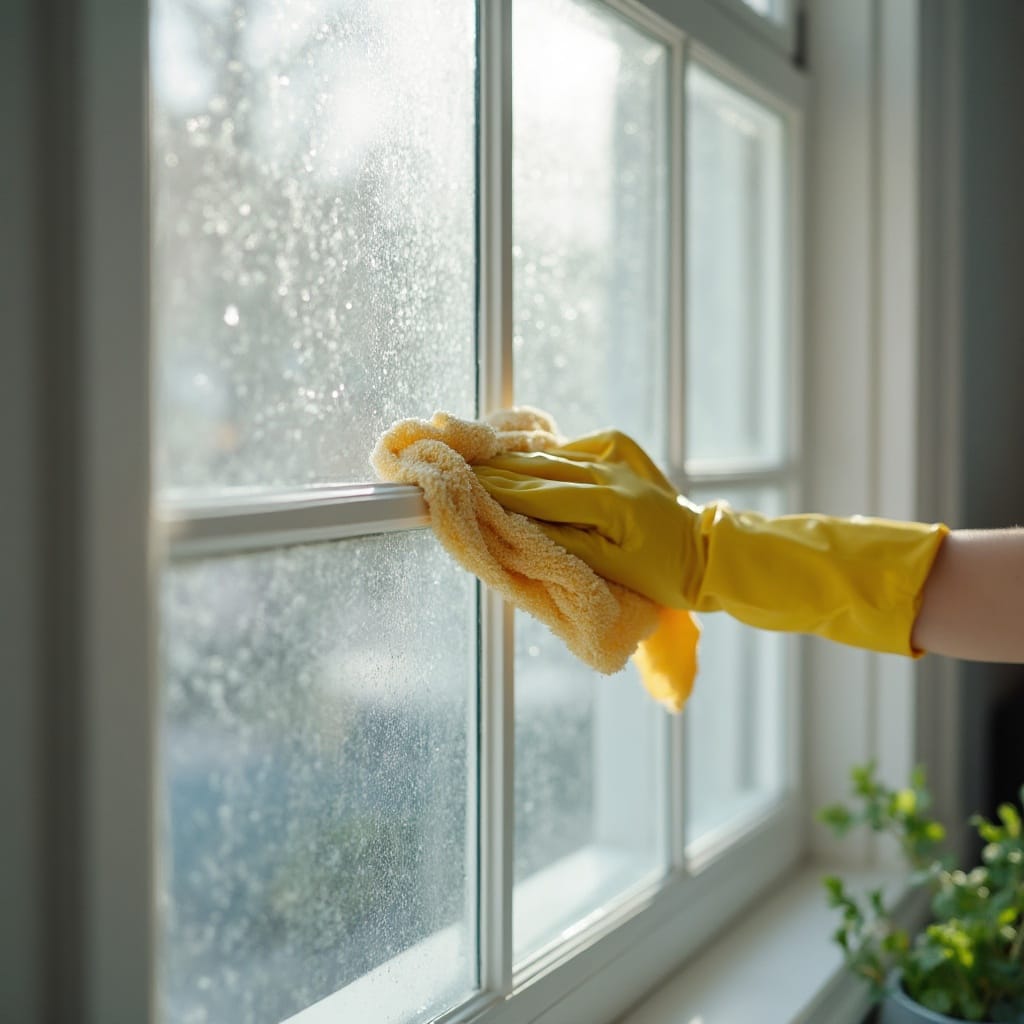
Drying usually takes between 4 and 8 hours, depending on the fabric, room temperature, and airflow. Opening windows or using heating can help speed up the process.
After Builders Cleaning
• Deep cleaning of sofas, armchairs, and fabric furnishings
• Removal of embedded dirt, stains, and everyday odours
• Suitable for homes, rental properties, and high-use living spaces
Upholstery cleaning is usually needed when fabric furniture starts to look dull or hold smells that regular vacuuming can’t remove, which is common in Brixton flats with daily use. This service helps refresh and restore the material using deep-clean methods that reach below the surface without damaging the fabric.
Most of our work comes from people who have used us before or had us recommended to them locally. Customers usually mention the difference in detail, especially in kitchens and bathrooms where proper cleaning really shows. The feedback reflects real results, not quick surface cleaning.

Booked them for a one-off clean before family visited and they did a proper job. Kitchen and bathroom looked completely different after. Not rushed, just done properly.
Booked a deep clean after renovations and it made a huge difference. Dust and dirt everywhere before, now it feels like a proper home again.
Used them for end of tenancy cleaning. The place was in a bit of a state but they brought it back to a really good standard. No issues with the landlord after.
I’ve tried a few cleaners locally and this was the first time I felt everything was actually cleaned, not just wiped over. Especially noticed the difference in the bathroom.
We now have regular cleaning every two weeks. It just keeps things under control and saves us a lot of time. Always consistent and no hassle.
Good communication, turned up on time, and focused on the areas that actually needed attention. You can tell they know what they’re doing.
Upholstery cleaning focuses on removing what builds up inside the fabric, not just what you can see on the surface. In many Brixton homes, sofas and chairs are used daily, which means dust, body oils, food particles, and general dirt settle deep into the fibres over time.
Regular vacuuming helps with loose dust, but it doesn’t reach the deeper layers. That’s why furniture can start to look dull or develop a slightly sticky feel, even if it’s cleaned often on the surface. In some cases, odours also build up, especially in homes with pets or limited ventilation.
The process usually starts with an inspection of the fabric type. Different materials react differently to moisture and cleaning solutions, so it’s important to choose the right method. We often see a mix of synthetic and natural fibres in London properties, each requiring a slightly different approach.
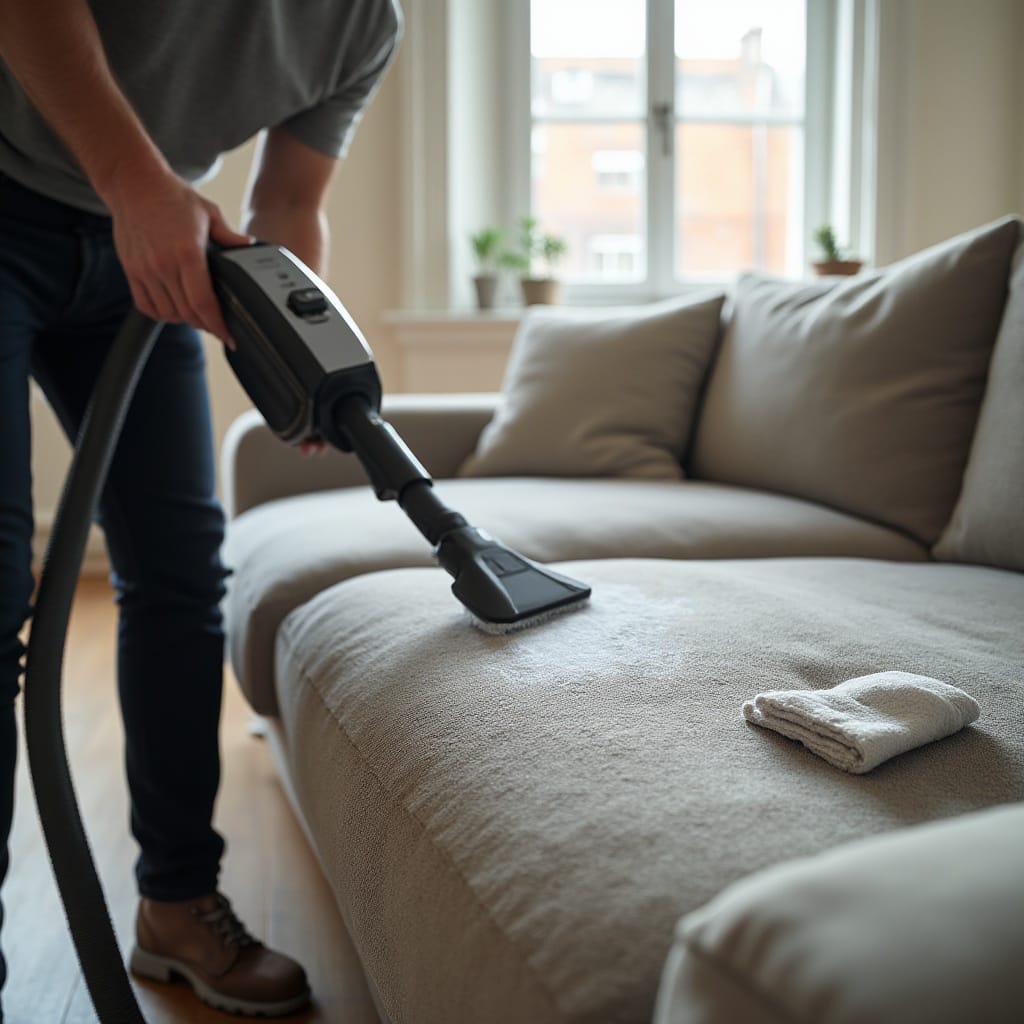
A HEPA vacuum is used first to remove loose debris and fine dust. This step is important because it prevents dirt from turning into mud during the wet cleaning stage. After that, a suitable upholstery cleaning solution is applied to break down oils and embedded grime.
For most fabrics, hot water extraction is used. This involves injecting a controlled amount of warm water mixed with cleaning solution into the fabric, then extracting it along with the dirt using professional equipment. Microfibre tools and soft brushes are used where needed to work through heavier areas.
Common problem areas include armrests, seat cushions, and headrests — these areas see the most contact and tend to hold the most dirt.
Most upholstery cleaning jobs take between 1 and 3 hours depending on the size and condition of the furniture. Drying time usually ranges from 4 to 8 hours, depending on airflow and fabric type.
It’s important to note that while most stains can be improved or removed, some may be permanent if they’ve set into the fibres over time.
1000+ homes cleaned
across Brixton flats, houses, and rental properties
350+ regular clients
using weekly or fortnightly cleaning services
5+ years experience
working in busy London homes and rental properties
200+ end of tenancy cleans
completed for tenants and landlords locally

Upholstery tends to collect more dirt than most people realise because it’s used daily and absorbs everything that comes into contact with it. In many Brixton flats, especially smaller spaces where the sofa is the main seating area, furniture is used constantly throughout the day.
Body oils, sweat, food crumbs, and even airborne dust settle into the fabric. Over time, this creates a layer beneath the surface that affects both the look and feel of the material. This is why sofas can start to feel slightly rough or look darker in certain areas, even if they don’t appear visibly dirty at first glance.
Homes with pets or children usually see this happen faster. Hair, spills, and regular use all contribute to the build-up. In some cases, odours also develop as moisture and organic matter get trapped in the fibres.
A proper clean doesn’t just remove visible dirt — it lifts what’s embedded deep within the upholstery. Once the extraction process removes the grime, the fabric often regains its original colour and texture.
We often see a clear difference on high-contact areas like armrests and seat cushions. These spots usually hold the most oil and dirt, so they improve the most after cleaning.
The use of controlled water pressure and professional extraction equipment is key. Too much moisture can damage fabrics, while too little won’t clean effectively. This balance is what allows the material to be cleaned thoroughly without leaving it overly wet.
After cleaning, the fabric should feel softer and fresher. Odours caused by trapped dirt are usually reduced or completely removed.
In many London properties, upholstery cleaning is requested in situations like:
• Moving in or out of a rented property
• After spills or visible staining
• When furniture starts to smell or feel sticky
• As part of a general deep cleaning service
It’s also common before hosting guests or after periods of heavy use.
Once the cleaning is complete, the furniture will be slightly damp but not soaked. Good ventilation helps speed up drying. Sitting on the furniture too soon can affect the drying process, so it’s best to leave it until fully dry.
It’s also worth noting that cleaning improves the condition of the fabric, but it won’t repair wear and tear. Areas where the material has thinned or faded due to age will remain the same.
Regular upholstery cleaning helps extend the life of the furniture and keeps it in a condition that’s more comfortable and hygienic for everyday use.
"*" indicates required fields
Send a quick enquiry and we’ll get back to you with availability and a clear idea of what can be done. Whether you need regular cleaning or a one-off job, just let us know the details and timing. We keep things straightforward, so you know exactly what to expect before anything is booked.